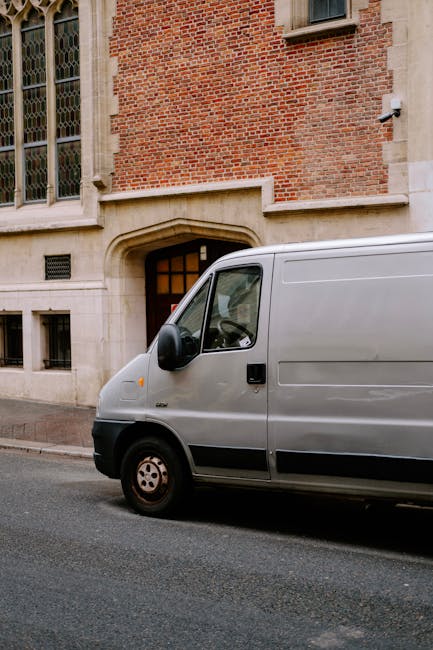
Haringey Council van permit rules for Harringay removals: a practical guide for a smoother move
If you are planning a move in Harringay, the van permit side of things can feel like a small detail right up until it becomes the thing that delays the whole day. Streets are tight, parking is limited, and a van that seems harmless on paper can cause a real headache when it arrives at the wrong time or in the wrong place. This guide explains Haringey Council van permit rules for Harringay removals in plain English, so you can plan properly, avoid avoidable stress, and keep your moving day moving.
Truth be told, most moving problems in north London are not caused by the sofa. They are caused by the kerb outside. So let's break down what permit rules mean, when they matter, and how to approach them sensibly whether you are moving a single flat, a family home, or just a few bulky items.
Why Haringey Council van permit rules for Harringay removals Matters
Harringay is one of those London neighbourhoods where the street itself is often part of the moving challenge. Parking bays can be heavily used, some roads are narrow, and loading can be awkward if you arrive unprepared. A van permit, or in some cases a parking dispensation or loading arrangement, can be the difference between a calm move and a morning spent circling the block while someone guards the front door with a kettle and a worried face.
The main reason these rules matter is simple: moving vans need space. If your vehicle is obstructing a live traffic lane, a resident bay, or a restriction area, you may run into penalties or be forced to move the van repeatedly. That creates delays, extra lifting, and unnecessary stress for everyone involved. If you are using a professional team, a smooth arrival plan also helps them work efficiently, especially for man and van bookings, home moves, or heavier jobs such as house removals.
There is another reason this topic matters: councils tend to care about road safety, access for neighbours, and keeping traffic flowing. That means the rules are not there to annoy movers, even if they sometimes feel that way on a rainy Friday afternoon. They exist because removal vehicles are larger than everyday cars and because one poorly parked van can create a chain reaction of problems down the street.
Expert summary: In Harringay, the safest approach is to plan parking and loading before the van arrives, check whether your street needs a permit or dispensation, and leave enough margin for changes on the day. The best moves are the boring ones. No drama, no last-minute scrambling.
How Haringey Council van permit rules for Harringay removals Works
The exact wording and process can change, so the sensible approach is to treat the council's permit guidance as the final authority and check the details for your specific street and move date. In general, though, the system usually works around a few common ideas.
First, you need to understand what the van will actually do. Will it stop briefly for loading only? Will it remain parked for several hours while a full property is cleared? Will it sit in a bay, on single yellow lines, or in a place where stopping is restricted? Those details matter because the type of permission needed can vary. Sometimes a simple loading arrangement is enough. In other cases, you may need a permit or waiver to avoid parking restrictions.
Second, you need to think about timing. Moving times that sound harmless on a calendar can become awkward on the street. School runs, bin collection, market activity, and commuter traffic all change the picture. In my experience, a move that starts at a quiet time is often far easier than one that begins just as the street wakes up and everyone wants the same parking space.
Third, the vehicle size matters. A small van is easier to place than a long wheelbase removal truck, but not every move can be done with a tiny vehicle. If you are hiring a removal van or arranging removal truck hire, it is worth checking the practical fit for your road before you commit. One-way streets, overhanging trees, and parked cars can all change the usable space more than you might expect.
Finally, remember that a permit is not a magic shield. Even when permission is in place, drivers still need to park safely, respect local restrictions, and avoid blocking neighbours more than necessary. A permit helps, but it does not replace common sense. That part is on the mover.
Key Benefits and Practical Advantages
Getting the permit side right gives you more than just peace of mind. It improves the whole shape of the day.
- Less delay: your vehicle can get close to the property sooner, which means fewer carries and less waiting around.
- Lower stress: you are not trying to solve parking problems while boxes are already on the pavement.
- Better safety: shorter carrying distances reduce the chance of bumps, trips, and scratched furniture.
- More predictable costs: time lost hunting for parking can affect the efficiency of the move.
- Better neighbour relations: a tidy, planned loading arrangement is always easier on the street.
That last one is underrated. Let's face it, nobody enjoys having their driveway blocked or having a removal team shuffle heavy wardrobes past a neighbour's front gate without warning. A clear plan helps everyone keep their cool. And on a cramped Harringay street, that matters more than people think.
For anyone comparing moving options, proper permit planning also makes services like removal services and removals feel much more straightforward. The crew can focus on lifting and packing, while the parking side has already been thought through.
Who This Is For and When It Makes Sense
This is not just a topic for large house moves. Permit rules can affect a wide range of moving situations in Harringay.
You are likely to need to think about van permits if you are:
- moving from a flat or maisonette in a busy street;
- clearing a family house with limited front access;
- moving office stock or equipment in a commercial street;
- arranging same-day collection of bulky furniture;
- using a larger vehicle for a narrow or restricted road;
- planning a weekend or early-morning move when parking is tight.
If you are a student, the issue often comes up in a different way: not because you have loads of furniture, but because student accommodation can be squeezed into very awkward roads and busy changeover dates. A smaller move still needs good parking planning, especially if you are using student removals or a quick same-day removals service.
It also makes sense if you are storing items temporarily. If the van has to shuttle between a property and storage, parking and loading permissions become part of the logistics, not just a side note. In that case, storage can be a useful part of a staged move, especially if completion dates are messy. And moving dates do get messy. More often than people admit.
Step-by-Step Guidance
Here is a practical way to handle the permit side without overcomplicating it.
- Assess the street first. Look at the road outside the property. Are there residents' bays, yellow lines, loading bays, or kerb blips? Is there enough room for a van to stop without blocking traffic?
- Work out the vehicle size. A small van, medium van, and larger removal truck all create different parking and loading challenges. If you are unsure, speak to the mover before booking.
- Check whether loading can happen legally without a permit. Some streets and time windows may allow loading or unloading for short periods, but only if it is done safely and without causing an obstruction. This is not something to guess.
- Confirm the timing of the move. Start times affect parking availability. A 7:00 a.m. arrival may be easier than a midday one, but not always. Think about your street, not just the clock.
- Coordinate with the moving team. If you are booking a man with van style service or a larger team, make sure they know the street constraints in advance.
- Plan access at both ends. The property you are leaving and the one you are moving into may each have different restrictions. Do not assume one side being easy means the whole job will be easy.
- Keep a buffer in the schedule. If there is any permit uncertainty, add a little time. It is better to have ten minutes spare than to be moving boxes while a clock is shouting at you.
A small real-world example: if you are moving from a first-floor flat near Green Lanes, the van may need to park a little further away than ideal. That means more carrying, which is fine if planned, but becomes a problem if the driver expected to stop directly outside. The difference between a smooth move and a grumpy one is often just fifteen metres. Ridiculous, but true.
Expert Tips for Better Results
After enough moves, a few patterns become obvious. These are the habits that reduce problems most consistently.
- Take photos of the parking area before the move day if the street is unusual. It helps the mover visualise the space.
- Ask about bay sizes and street width instead of just saying "there should be room". That phrase is famous for being wrong.
- Use one contact person on the day so the driver is not trying to speak to three different people at once.
- Move smaller items first if the van can only stop briefly. It makes the parking window more efficient.
- Protect the loading area with clear boxes and good stacking so the team can work in a tidy rhythm.
- Tell the mover about lifts, stairs, and front-door distance as well as parking. These factors often travel together.
If you are arranging a larger home move, services like house removalists or house removals can be especially helpful because the team will usually be better prepared for access planning and furniture protection. The same is true for heavier or more delicate items, where piano removals require a bit more thought than the average chair and box situation.
One more thing: if the move is tied to a business relocation, do not treat parking as a minor admin task. For a commercial site, poor access can affect staff, customers, and delivery schedules all at once. That is where commercial moves and office removals really benefit from advance planning. No one wants to drag filing cabinets down the pavement while a delivery lorry sits behind them, sounding impatient.
Common Mistakes to Avoid
This is where most moving-day problems start. The mistakes are usually small, but they snowball fast.
- Assuming the van can just stop anywhere. This is the classic one, and it causes most last-minute panic.
- Booking the vehicle before checking access. A van that is too large for the street becomes an expensive inconvenience.
- Forgetting about both addresses. People often check the departure point and ignore the arrival point.
- Leaving permit checks until the day before. That is a stressful habit, and sometimes a costly one.
- Not warning the neighbours. A small note or quick conversation can save awkwardness later.
- Confusing loading space with parking permission. They are related, but not the same thing.
- Ignoring larger-item handling needs. Furniture, wardrobes, and appliances need more than a casual look and a good mood.
Another common issue is underestimating how long the loading process will take. A van may only need a brief stop, but a move rarely stays brief. Someone cannot find the keys. The mattress is trapped on the stairs. One box has "misc" on it, which is never encouraging. These things happen. Build in a little slack.
Tools, Resources and Recommendations
You do not need fancy software to handle this well. A few simple tools and habits are enough.
- Street photos: use your phone to record the parking bay, gate, narrow section, or anything that might affect access.
- A written moving plan: note the time, vehicle size, loading point, and who is responsible for each part of the move.
- Box labels: they help the team unload in order, which reduces time spent blocking the street.
- Protective packing materials: with fragile or bulky items, good wrapping reduces delays and damage.
- Temporary storage: useful when completion dates or key handovers do not line up cleanly.
For planning the practical side of the move itself, you may also want to look at packing and boxes or packing and unpacking services if you want to reduce the amount of hands-on work. If you are choosing between a few moving options, a quick look at pricing and quotes can help you compare like with like, especially when access or permit planning may affect the final arrangement.
You can also review practical service information such as removal companies and removal services to understand the type of support you are likely to get. The helpful detail is usually in the access conversation, not the headline price.
Law, Compliance, Standards, or Best Practice
When people say "permit rules", they often mean a mix of council parking controls, local traffic restrictions, and the practical need to load safely and legally. The exact requirements depend on the street and the type of restriction in place. That is why it is better to treat any moving plan as a compliance exercise, even for a simple household move.
Best practice in the removals trade is to:
- check restrictions in advance rather than reacting on the day;
- avoid blocking access routes or creating unsafe obstructions;
- use the right size vehicle for the road and the job;
- brief the driver on kerb space, bays, and loading points;
- work with public space in a way that respects neighbours and road users.
If you are hiring a company, good operators will usually have their own safety and insurance practices, and that matters. A decent mover should be able to explain how they approach access, loading, and care of property. You can also review insurance and safety and health and safety policy information to understand the standards a professional service should be thinking about. For customer confidence, terms and conditions and privacy policy pages are also part of a trustworthy service setup.
There is a practical side to sustainability too. When a move is planned well, fewer wasted trips are needed, which helps with time, fuel, and less unnecessary churn. If you care about that, recycling and sustainability is a sensible page to explore alongside your move planning.
Options, Methods, or Comparison Table
Different moves need different levels of planning. Here is a simple comparison that may help you decide what level of support makes sense.
| Approach | Best for | Strengths | Watch-outs |
|---|---|---|---|
| Small van, short loading stop | Light flat moves, a few items, quick collections | Easier to park, usually simpler to place on narrow streets | May not suit larger furniture or full-house moves |
| Standard removal van | Typical flat or house moves | Better capacity, efficient for mixed household goods | Needs more careful parking and street access planning |
| Larger removal truck | Full household or business relocations | Can handle bigger loads in fewer trips | Harder to fit in restricted streets; may need more planning |
| Staged move with storage | Delayed completions or gap periods | Flexible, reduces same-day pressure | Requires coordination between loading, transport, and storage |
For smaller, simpler moves, a man with a van arrangement may be enough. For larger homes, full-service support such as home moves or dedicated moving truck hire may be the better fit. There is no prize for overcomplicating it, but there is often pain in underestimating it.
Case Study or Real-World Example
Consider a realistic Harringay flat move on a narrow residential street. The customer has a second-floor flat, a sofa that does not enjoy turning corners, and a moving day start at 8:00 a.m. The street has parked cars on both sides and only limited room for loading. If the van arrives without any access plan, it may have to stop several doors away, meaning longer carries, slower loading, and more chance of holding up the road.
Now compare that with a move where the team has already discussed the street layout, knows where the clearest stopping point is, and has packed the first load to include the largest items and the boxes needed immediately at the new address. In that version, the van stops once, the lifting is more orderly, and the whole day feels far less chaotic. Same street, same furniture, very different experience.
We have seen this kind of thing again and again: the move does not become easier because the building is magical. It becomes easier because access has been thought through. That is the whole trick, really.
Practical Checklist
Use this before moving day so nothing obvious slips through the cracks.
- Confirm the move date and start time.
- Check the parking restrictions at both addresses.
- Decide whether you need a small van, removal van, or larger truck.
- Ask whether loading or parking permission is required for your street.
- Share photos of the access point with the mover if needed.
- Tell the moving team about stairs, lifts, tight corners, and long carries.
- Label boxes clearly and separate essentials for easy unloading.
- Arrange storage if the handover dates do not line up cleanly.
- Keep phone numbers handy for the driver and the main contact at each property.
- Leave a little breathing space in the schedule. Just a bit.
If your move involves furniture that needs special handling, you might also want to review furniture removals or furniture pick up options, depending on whether you are moving a whole set or just clearing one or two larger pieces.
Conclusion
Haringey Council van permit rules for Harringay removals are not the most exciting part of moving, but they are often one of the most important. If you get the access and parking side right, the rest of the day usually feels calmer, quicker, and much less annoying. That is the honest truth.
The main thing to remember is to plan early, match the vehicle to the street, and check restrictions at both ends of the move. Whether you are handling a flat, house, student move, or business relocation, a bit of preparation can save a lot of lifting and a lot of frustration. And frankly, moving day already asks enough of you.
Get a free quote today and see how much you can save.
For a clearer picture of the company behind the move, you can also read more about about us and get in touch through the site when you are ready. A thoughtful move starts with a calm plan, and a calm plan is a lovely thing on a busy London street.
Frequently Asked Questions
Do I need a van permit for a Harringay removal?
Not always, but you should never assume you do not need one. It depends on the street restrictions, where the van will stop, how long it will stay, and whether parking controls are in place. The safest approach is to check before moving day rather than guessing.
What is the difference between a parking permit and a loading permit?
A parking permit usually relates to being allowed to park in a controlled bay or restricted area. A loading arrangement or dispensation may allow a vehicle to stop briefly for loading or unloading. The exact distinction depends on the local rules, so it is worth checking carefully.
Can a removal van stop on yellow lines in Harringay?
Sometimes loading may be allowed in restricted areas, but only within the limits of the relevant rules and if it is safe and lawful to do so. This is one of those situations where you should confirm the local position instead of relying on hearsay from a neighbour or a mate who once moved a wardrobe at 6 a.m.
How far in advance should I sort out the permit side?
As early as possible. A few days may be enough in some cases, but giving yourself more time reduces stress and leaves room for changes. Moving dates, vehicle size, and access details can shift quickly, especially in London.
Does the type of vehicle matter?
Yes, very much. A small van is easier to place than a larger removal truck, but it may not have enough space for your belongings. A larger vehicle may be more efficient but harder to position in a tight street. Choosing the right size is part of the permit and access conversation.
What if my new property also has parking restrictions?
Then you need to think about both addresses. The return journey matters just as much as the first stop. It is common for one property to be straightforward and the other to be awkward, so treat them separately when planning.
Are Harringay flat moves harder than house moves?
Not always, but flats often have more access issues because of stairs, shared entrances, and limited loading space. House moves can be bigger overall, yet sometimes easier to manage if there is a drive or wider frontage. It really depends on the building and the street.
Can I do a same-day move without worrying about permits?
Not safely, no. A same-day service still needs parking and access planning. In fact, the time pressure makes it even more important to know whether the van can stop where it needs to.
What should I tell the removals team before the move?
Tell them the exact address, the street layout if it is awkward, the number of floors, lift access, whether there is a long carry, and any parking restrictions you know about. A good description at the start saves a lot of faff later.
Can I use storage if the permit situation is complicated?
Yes, storage can be very useful when dates do not line up or access is difficult. It can reduce pressure by letting you split the move into stages instead of trying to solve everything in one day.
Where can I find more information about the service itself?
You can explore pages such as removal van, man and van, and pricing and quotes to understand the moving options and what kind of support may suit your situation.
What is the best first step if I am unsure about the rules?
Start with the street itself. Look at the parking restrictions, decide how the van will stop, and speak to the mover before booking if anything looks tight. A quick check now can save a long headache on the day.