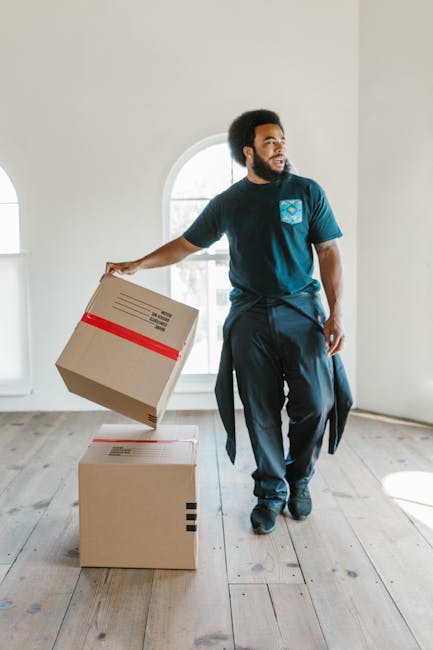
Harringay Ladder Estate Moves Man and Van Packing Tips
Moving home on the Harringay Ladder can feel deceptively simple from the outside. A short terrace, a narrow staircase, a few strong boxes, and a man and van booked for the day - how hard can it be? Then the real moving day arrives. The hallway gets crowded, the kettle disappears, somebody has packed the charger in the wrong box, and suddenly the clock is moving faster than you are.
This guide to Harringay Ladder estate moves man and van packing tips is designed to make that day calmer, quicker, and far less stressful. Whether you are shifting from a first-floor flat, a Victorian terrace, or one of the compact homes around the Ladder streets, the same principle applies: smart packing saves time, protects your belongings, and makes a man and van job run smoothly. To be fair, that smoothness is often the difference between a decent move and a day you would rather forget.
Below, you will find practical packing methods, common mistakes, local moving considerations, and a simple step-by-step plan you can actually use. If you are still comparing service options, it can also help to look at a man with a van service, browse the wider services we provide, or check man with van rates before you decide how much help you need.
Table of Contents
- Why Harringay Ladder packing tips matter
- How a man and van move works in practice
- Key benefits and practical advantages
- Who this is for and when it makes sense
- Step-by-step guidance
- Expert tips for better results
- Common mistakes to avoid
- Tools, resources and recommendations
- Law, compliance, standards and best practice
- Options and comparison table
- Case study or real-world example
- Practical checklist
- Conclusion
- Frequently asked questions
Why Harringay Ladder Estate Moves Man and Van Packing Tips Matters
The Harringay Ladder has a very particular moving rhythm. Homes can be close together, parking can be awkward, stairways can be tight, and front rooms often double as storage until the last possible minute. That is normal. But it means packing cannot be left to the final evening with a pile of supermarket bags and crossed fingers.
Good packing matters because a man and van move depends on speed, order, and access. A van crew can work efficiently only if boxes are sealed properly, items are grouped sensibly, and heavy or fragile goods are easy to identify. If you have ever watched a pile of mismatched bags spread across a landing, you will know exactly how quickly a move can turn messy. Not dramatic, just messy. And mess costs time.
There is also a local factor. In areas like the Harringay Ladder, moving day often involves narrow residential streets, shared front paths, and limited space for loading. That means every minute saved on the pavement or in the hallway helps. Good packing reduces back-and-forth trips, makes the van load more secure, and lowers the chance of breakages when items are carried downstairs or around tight corners.
If you are moving out of a flat, a terrace, or a rental property with fixed handover timing, a tidy packing plan also helps you hit your deadline without that horrible last-hour panic. Truth be told, that bit alone is worth the effort.
How Harringay Ladder Estate Moves Man and Van Packing Tips Works
The core idea is simple: pack in the same order that the van will likely be loaded and the same order you will want to unpack. That means grouping items by room, by fragility, and by priority. A man and van team can then place heavier boxes first, protect furniture properly, and keep essentials accessible at the end of the journey.
For a typical local move, the process often looks like this:
- Pre-sort belongings into keep, donate, recycle, and bin piles.
- Pack by room so boxes stay easy to track.
- Label clearly with both room name and contents.
- Separate essentials into a first-night box or bag.
- Prepare larger items such as dismantled beds, lamps, or table legs before the van arrives.
- Load in a sensible sequence so fragile and awkward items do not get crushed.
That sounds basic, but basic is what works. A lot of moving stress comes from trying to improvise on the day. If you have already visited removals in Harringay or researched house removals in Harringay, you will notice the same theme repeated: preparation saves money and keeps things calmer.
Another useful point is the difference between a quick local load and a more complex move. If you are moving from a top-floor flat, are carrying bulky furniture, or need temporary holding space, the packing strategy has to change. In those situations, support from flat removals in Harringay or storage in Harringay can make the whole job more manageable.
Key Benefits and Practical Advantages
Smart packing is not just about neatness. It creates practical benefits that show up immediately on moving day and again when you unpack. A few of the biggest are below.
- Faster loading and unloading: grouped boxes are easier to stack, lift, and place in the van.
- Lower risk of damage: proper wrapping and sturdy boxes protect glass, ceramics, electronics, and furniture edges.
- Easier labelling: you can find bedding, kettles, documents, and chargers without opening half the house.
- Less physical strain: evenly packed boxes are safer to carry up stairs and around corners.
- Better use of van space: a well-packed load fits more efficiently, which can reduce the need for extra trips.
- Less stress for everyone: yes, including the people helping you. Nobody enjoys playing box Jenga in the rain at 8:15 a.m.
There is also a subtle but important advantage: better packing helps you make better decisions while decluttering. Once you start sorting cupboard contents and old paperwork, it becomes obvious what should come with you and what can stay behind. If you are trying to reduce the amount you move, the right moment to do that is before the boxes are sealed, not after.
Some people also forget the communication benefit. Clear labels help movers understand what needs gentle handling, what should be loaded last, and what should come off first. A neat system can feel tiny in the moment, but it saves a surprising amount of confusion later.
Who This Is For and When It Makes Sense
This advice is useful for almost anyone moving within or out of the Harringay Ladder, but it is especially relevant if your move is local, time-sensitive, or involves mixed furniture and boxes. If that sounds like your situation, then these tips should help.
It makes the most sense for:
- Tenants moving between flats or terraces with limited turnaround time
- First-time movers who have never booked a man and van before
- Families moving from a compact house with lots of everyday clutter
- Students or professionals with smaller loads but lots of delicate tech
- People moving awkward items like bikes, mirrors, lamps, or framed art
- Anyone who wants to keep costs under control by reducing delays
If your move is larger, has multiple bulky pieces, or involves specialist items, you may need a more tailored plan. For example, furniture-heavy moves often benefit from furniture removals in Harringay, and office relocations may be better handled through office removals in Harringay. Different moves, different packing logic. Obvious enough, but easy to overlook.
It also makes sense if you are comparing moving styles. Some people want full-service help, while others just want the practical lift of a van, loading assistance, and sensible guidance. If you prefer a lighter-touch solution, man and a van in Harringay or man and van in Harringay can be the right fit.
Step-by-Step Guidance
Here is a simple packing process that works well for Ladder-area moves. It is not glamorous, but it is effective.
1. Start with a room-by-room sort
Begin in the least-used room or the area with the most spare items. Avoid packing from everywhere at once. That tends to create little islands of clutter and lots of stress. Pack each room separately and mark the box clearly. A "kitchen" box should stay a kitchen box, even if it only contains three mugs and a whisk.
2. Pack the essentials last, but label them first
Put aside one bag or box for the first night. Include toiletries, chargers, medication, kettle items, snacks, toilet roll, a change of clothes, and any documents you may need immediately. Label it boldly. You want this to be visible at the end of the van load, not buried under winter coats and a lamp shaped like an alarmingly determined mushroom.
3. Use the right box for the right job
Heavier items belong in smaller boxes so they can be lifted safely. Lighter items can go into larger boxes, but do not overfill them. A box that looks neat but nearly tears when lifted is a bad box. Really bad.
4. Wrap fragile items properly
Glassware, plates, mirrors, and ornaments should be wrapped individually. Fill gaps so items do not rattle. If you can hear things shifting inside a box, it is not finished. Use soft materials, paper, or towels where appropriate, and mark fragile boxes on several sides so they are easy to spot.
5. Dismantle furniture before the van arrives
Bed frames, tables, and some shelving units are easier to move when broken down into manageable parts. Keep screws, bolts, and fittings in sealed bags and tape them to the correct furniture piece. Otherwise, you will have a mysterious bag of metal bits and no clue which bed they belong to. That happens more than people admit.
6. Prepare the access route
Check hallways, stairwells, and the front door path. Remove loose shoes, plan for door stops if needed, and keep pets safely away from the loading area. If you live on a narrow road or share space with neighbours, it helps to think ahead about where boxes can be set down briefly without blocking anyone.
7. Load in the order of priority
Heavy and sturdy items usually go into the van first. Softer or more fragile items are placed strategically so they are protected from crushing. Essentials and first-night items should be the last things on the van so they come off first at the other end. A logical load makes the whole day feel less chaotic.
Expert Tips for Better Results
A few small habits can improve the whole move. The kind of things seasoned movers notice straight away.
- Colour-code rooms with tape or markers. It is simple and surprisingly effective.
- Photograph cable setups before unplugging TVs, routers, desks, and speakers.
- Keep one drawer or caddy of daily basics so you are not hunting for scissors or tape halfway through.
- Use wardrobe boxes or hanging garment bags if you want to save ironing time later.
- Pack by weight, not just by category. A "books" box should never become a back injury in disguise.
- Leave some air space in boxes so lids close properly and contents do not crush.
- Mark anything awkward or valuable clearly so the load team handles it carefully.
One of the most useful things you can do is speak plainly with your mover before the day. If you are booking a local service, a few honest details about stairs, access, parking, and item size can change the plan completely. That is where browsing removal van options in Harringay or checking removal services in Harringay can help you choose the right setup rather than guessing.
And if your move is being arranged quickly, the simplest expert tip is this: do less, but do it properly. Rushed packing creates hidden problems later. Slow, sensible packing feels boring while you are doing it, but moving day becomes much easier. Boring is good here.
Common Mistakes to Avoid
Most moving-day problems are preventable. Usually they come from rushing, not from bad luck.
- Overpacking boxes: if a box bows at the bottom, it is too heavy or poorly packed.
- Mixing rooms: kitchen bits in living room boxes and bedroom items in the hallway box make unpacking miserable.
- Ignoring fragile labelling: if it can break, label it. Clearly.
- Leaving essentials too late: you do not want to search for your toothbrush at 10 p.m.
- Forgetting access issues: stairs, narrow landings, and parking all affect timing.
- Not protecting furniture edges: small scuffs happen fast in tight hallways.
- Using the wrong materials: thin bags and weak cartons are a false economy.
Another common issue is underestimating how much time packing actually takes. People often assume the last day will be enough. It rarely is. If the move involves a short deadline, same-day turnaround, or a chain of commitments, it may be wiser to look at same-day removals in Harringay and simplify the pack rather than trying to force a perfect packing job at speed.
There is no prize for heroic last-minute chaos. None at all.
Tools, Resources and Recommendations
You do not need a warehouse full of supplies, just the right basics. A small kit makes packing far less painful.
- Strong cardboard boxes in a few sizes
- Packing tape and a decent tape dispenser
- Permanent markers for clear labels
- Bubble wrap, paper, or soft wrapping material for fragile items
- Zip bags for screws, plugs, remote controls, and small fittings
- Furniture blankets or covers for larger items
- Scissors, parcel tape, and a basic toolkit
- Sticky notes or coloured tape for quick room coding
If you need a more complete supply set, a dedicated packing and boxes service in Harringay can help you get the right materials without improvising with old washing-up boxes that collapse at the first wobble.
It also helps to think beyond packing itself. If your move is part of a bigger life change, or you are waiting for keys, or decluttering before a sale, storage can be a smart temporary bridge. And if you are comparing providers, the broader removal companies in Harringay page is useful for understanding the service landscape before you book.
Law, Compliance, Standards, or Best Practice
For most household moves, the practical concerns matter more than legal complexity, but good moving practice still includes safety and clear responsibility. A reputable removals service should handle items carefully, communicate access needs, and work in line with standard UK expectations around safe lifting and transport.
From your side, the main best-practice points are straightforward:
- Do not pack hazardous or restricted items without first checking whether they can be moved safely.
- Disclose fragile, oversized, or unusually heavy items before moving day.
- Keep paths clear so carrying boxes does not create trip hazards.
- Use sensible lifting techniques and ask for help with awkward items.
- Check insurance arrangements where relevant, especially for high-value belongings.
If you are choosing a provider, it is worth reviewing trust pages such as insurance and safety, health and safety policy, and terms and conditions. Those pages help you understand how the business handles care, risk, and service expectations. That clarity matters. People often skip it, then regret not reading the small print when the day gets busy.
For peace of mind, it is also sensible to review payment and security and, if you want to know how the business handles concerns, the complaints procedure. Honest preparation beats hopeful guessing every time.
Options, Methods, or Comparison Table
Different moves need different packing approaches. Here is a quick comparison to help you choose the right method.
| Moving approach | Best for | Packing style | Main advantage | Watch out for |
|---|---|---|---|---|
| Self-pack with man and van | Local moves, smaller homes, budget-conscious movers | Room-by-room, essentials box, careful labelling | Lower cost and more control | Takes more time and planning |
| Partial packing help | Busy households or mixed-size moves | You pack basics, movers assist with furniture or delicate items | Good balance of support and flexibility | Needs clear communication |
| Full-service removals | Larger homes, tight timelines, complex furniture | Professional packing plus loading and transport | Least stress for the customer | Usually more expensive |
| Storage-assisted move | When completion dates do not line up | Pack in phases and label for retrieval | Useful for gaps between move-out and move-in | Needs good inventory control |
For many Harringay Ladder moves, the sweet spot is a light but organised self-pack with expert loading support. If you need a broader overview of move types, the main services overview page is a good starting point.
Case Study or Real-World Example
Picture a typical move from a first-floor Ladder flat on a Friday morning. The resident has a sofa, a bed frame, two bookcases, a couple of bikes, and a kitchen full of glassware. Nothing extreme. Just enough to get awkward once stairways and time pressure enter the chat.
The move goes better when the packing is handled in stages. Books are boxed early in smaller cartons. Kitchen items are wrapped the day before. The bed is dismantled the evening before with the bolts taped to the headboard. A separate bag contains keys, documents, toiletries, laptop charger, and tea-making kit. That last one matters more than people admit. First cup in the new place? Lovely.
On the day, the van team can work quickly because the route from front door to vehicle is clear, boxes are labelled by room, and fragile items are easy to identify. The load fits neatly. Nothing is hunting for space. The resident gets to the new home with energy left to unpack, rather than collapsing into a pile of bubble wrap and regret.
That is the real value of good packing. It turns a move from a scramble into a sequence. Not perfect, just manageable. And manageable is a very good outcome on moving day.
Practical Checklist
Use this checklist in the days leading up to your move. Print it, save it, scribble on it - whatever works.
- Sort items into keep, donate, recycle, and dispose piles
- Gather boxes, tape, labels, and wrapping materials
- Pack one room at a time
- Label every box with room name and contents
- Set aside a first-night essentials bag
- Wrap fragile items individually
- Keep screws and fittings in labelled bags
- Dismantle furniture where practical
- Measure awkward furniture and doorways
- Confirm parking and access details
- Protect floors, corners, and door frames if needed
- Tell the mover about heavy or delicate items in advance
- Keep cleaning supplies handy for the final sweep
If you are trying to move with less waste, the right disposal habits matter too. A useful next step is checking recycling and sustainability so you can plan what stays, what goes, and what needs a better home. It is a small thing, but it helps the move feel a bit more intentional.
And if you are local to the area and want practical advice around neighbourhood-specific moving patterns, this guide pairs nicely with the Harringay Green Lanes moving guide and the local perspective in Harringay homes insight from a local.
Conclusion
For Harringay Ladder moves, packing well is not a luxury. It is one of the most practical ways to keep a man and van move affordable, safe, and calm. The combination of clear labelling, sensible box sizes, furniture prep, and a proper essentials bag makes a real difference - especially in homes where stairs, tight halls, or time pressure can complicate things quickly.
Keep the system simple. Pack by room. Protect the fragile bits. Be honest about the heavy stuff. And try not to leave the whole thing until the night before. That last bit is spoken from experience, not theory.
If you want help planning your move, you can also explore the local service pages for man and van in Harringay and removal van in Harringay, then choose the option that feels right for your home, your schedule, and your load.
Get a free quote today and see how much you can save.
When the boxes are stacked neatly and the last lamp is finally wrapped, the move feels less like a problem and more like a fresh start. And that, really, is the good bit.
Frequently Asked Questions
What are the best packing tips for a Harringay Ladder man and van move?
The best tips are to pack by room, use smaller boxes for heavy items, label everything clearly, and prepare an essentials bag for the first night. Clear access and proper furniture prep also make the move much smoother.
How early should I start packing before moving day?
Ideally, start with non-essential items several days in advance. Books, seasonal clothing, and spare household items can go early, while everyday essentials should be packed closer to the move.
Is a man and van service suitable for flat moves in the Harringay Ladder?
Yes, it is often a good fit for smaller flat moves, especially if access is straightforward and the load is moderate. If you have heavier furniture or multiple floors, it helps to discuss those details first.
Should I dismantle my furniture before the movers arrive?
Where practical, yes. Beds, tables, and some shelving units are usually easier to move when dismantled. Keep the screws and fittings in labelled bags so nothing goes missing.
What should go in my essentials box?
Keep toiletries, chargers, medication, kettle items, snacks, toilet roll, a change of clothes, and key documents in one clearly marked box or bag. You will thank yourself later.
How do I pack fragile items safely?
Wrap fragile items individually, fill gaps so nothing rattles, and avoid overloading boxes. Mark them clearly on several sides so they are easy to spot during loading and unloading.
Can I save money by packing everything myself?
Often yes, but only if the packing is done properly. Poorly packed items can slow the move down or increase the risk of damage, which can cost more in the long run.
What happens if parking is tight on my street?
It is best to tell the mover in advance. In many Harringay Ladder streets, parking and access planning matters as much as the packing itself. Good information helps the crew plan loading more efficiently.
What if I need storage during the move?
If there is a gap between leaving one property and entering another, storage can be a very practical bridge. Pack items in a way that makes them easy to identify later, and keep an inventory if you can.
Do I need special packing for high-value items?
Yes. High-value or delicate items should be flagged clearly and packed with extra care. If the item is unusually valuable, ask about insurance and handling expectations before moving day.
How can I make unpacking easier at the new place?
Label boxes by room and content, keep the essentials box accessible, and load items in a logical order. Unpacking becomes much faster when your boxes already tell you where they belong.
Where can I compare moving options and ask questions?
You can start with the main contact page to ask about your move, then review pricing and quotes if you want a better sense of the options available.
Is it worth reading about local Haringey moves before booking?
Yes, especially if you want a better sense of local access, property types, and moving conditions. Pages like real estate trends in Haringay and the smart guide to Haringay property buying can give useful context for the area and the kind of homes people move between.